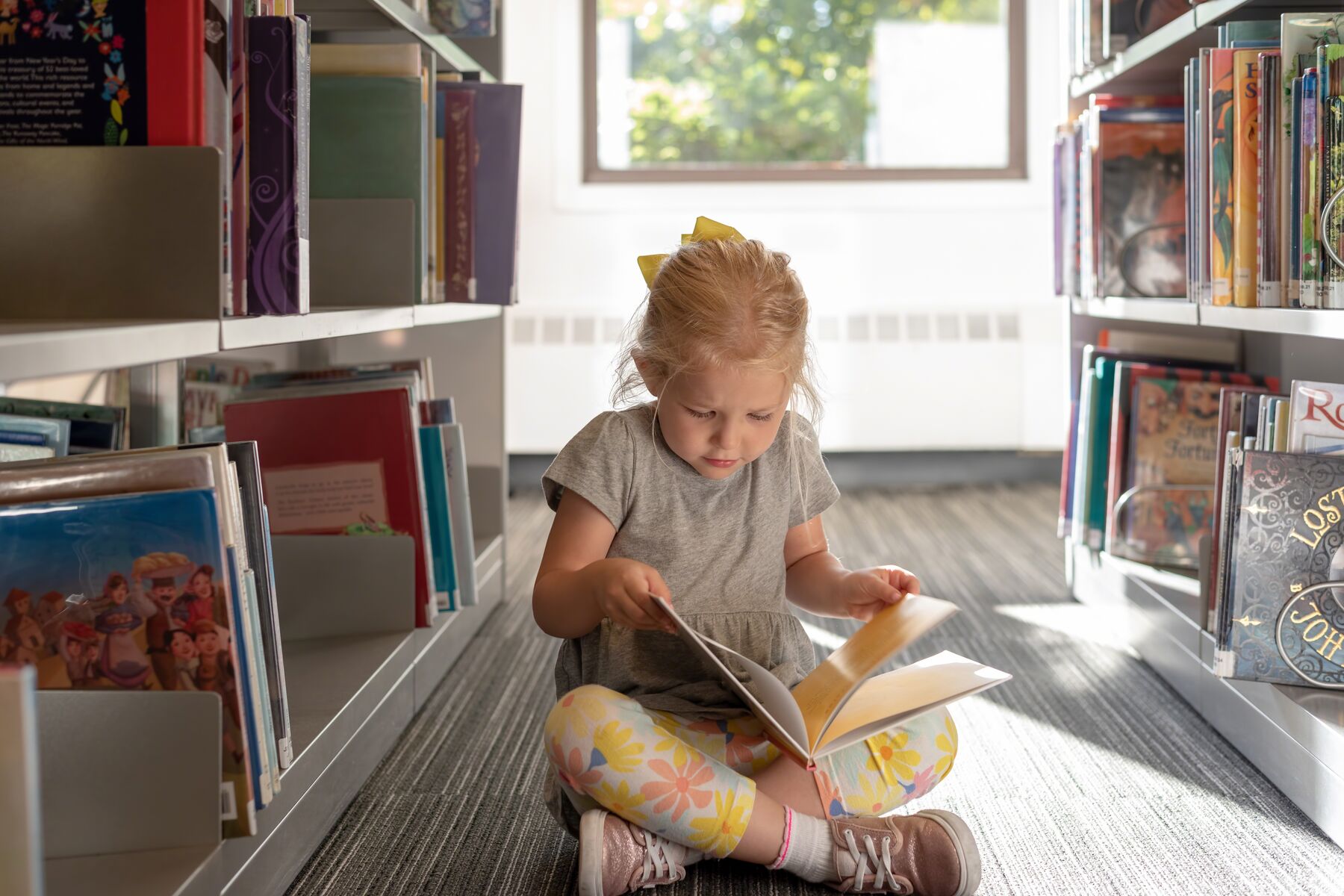
Most of the public argument about school libraries is about which books should come off the shelves. Paul W. Bennett’s new paper for the Aristotle Foundation argues that this is the wrong argument, or at least a much smaller one than it looks. The bigger problem is that Canadian school libraries have been quietly turning into something other than libraries, with fewer books, fewer people trained to choose them, and less time set aside for children to read them.
The staffing numbers alone tell much of the story. In 2016, about 53 per cent of Ontario elementary schools had a teacher-librarian, down from roughly 80 per cent in the late 1990s. In Northern Ontario the figure was about 11 per cent. Where the position survives, it is often filled by a library technician whose job leans toward digital resources. The national framework for school libraries, published in 2023, no longer sets benchmarks for collection size at all. The library has been renamed a “learning commons,” and the books have become one feature among many, alongside laptops, maker spaces and group work tables.
Then there is the weeding. In 2023, the Peel District School Board removed books published before 2008 under an equity review that traced back to a provincial directive. One student at Erindale Secondary in Mississauga reported that about half the school’s library collection disappeared, including Harry Potter, The Hunger Games and Roll of Thunder, Hear My Cry. No one called that a book ban, because it was done by administrators following a process rather than by parents at a board meeting. The shelves ended up just as empty either way.
Alberta does not come out of the paper looking much better. According to the Canadian Library Challenges Database, school-board book challenges jumped from 13 in 2024 to 384 in 2025, and about 94 per cent of them followed a ministerial order from Alberta’s own education minister. Edmonton Public pulled graphic novel versions of 1984 and The Handmaid’s Tale, along with works by Margaret Laurence and Ayn Rand, before the order was partly walked back. Whether the culling is driven by equity guidelines in Ontario or content rules in Alberta, the effect on a student looking for a good book is the same.
Bennett’s alternative is to make the library about books again. He wants quiet space for reading, collections built around a knowledge-rich curriculum like Core Knowledge, adapted to Canadian history and literature, and a review of equity guidelines that treat older classics as suspect by default. He also wants better support for teacher-librarians, including training in classic literature. His appendix offers a list of 100 essential books for Canadian kids, pairing classics with Canadian companions. Not everyone will agree with every title, and he says as much.
The case for whole books is not nostalgia. Children who read full novels build the stamina, vocabulary and background knowledge that everything else in school depends on. A system that cuts librarians, drops collection standards and clears out anything published before a certain year cannot then be surprised when students struggle to get through a long text. Fights over individual titles will keep making headlines, but the larger loss is happening without much public notice.