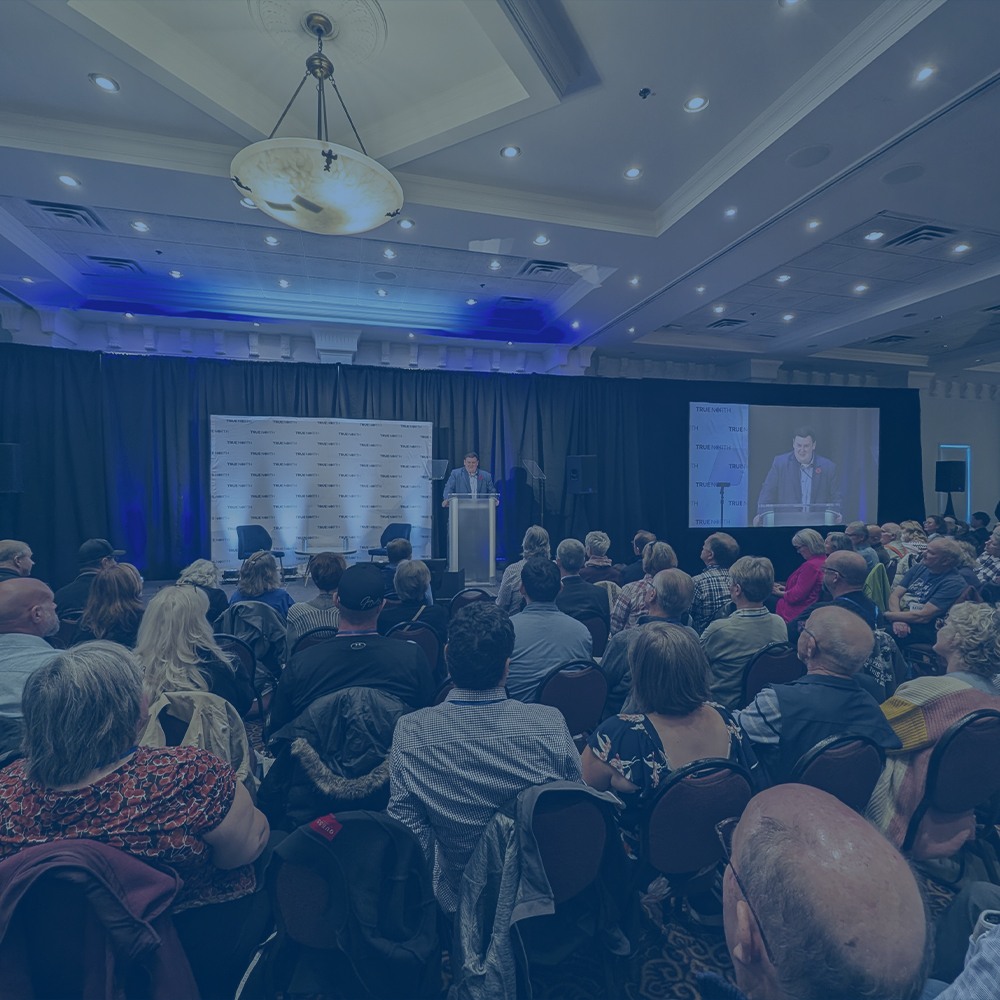
Source: The Justice Centre for Constitutional Freedoms
Burn 24/7 Canada Worship Ministries has filed a lawsuit against the City of Moncton, arguing that the municipality violated its freedom of expression when it cancelled a planned public worship event just two days before it was scheduled to take place. Lawyers funded by the Justice Centre for Constitutional Freedoms are seeking a declaration that the city’s actions breached section 2(b) of the Charter, along with $50,000 in damages.
The event was planned for July 24, 2025, at Riverfront Park as part of a “Let Us Worship” tour featuring American Christian musician Sean Feucht. According to the claim, the city approved the application in late April 2025. Over the following months, organizers worked with municipal staff on insurance, facilities, site planning, and other logistics, and say they complied with every request. Two days before the gathering, the city cancelled it, citing its Code of Conduct in City Facilities and public-safety concerns related to planned protests.
Constitutional lawyer Chris Fleury has described the case as turning on a basic principle: governments cannot suppress peaceful expression simply because others threaten to protest it. The ministry argues that it had developed a security plan and that the late cancellation caused significant disruption, reducing expected attendance and creating additional costs after the event had to be moved to a less suitable location.
The Moncton cancellation forms part of a broader pattern. Similar events on the same tour were cancelled or disrupted in other Canadian cities, often with little notice and with references to controversy or security. In a free society, the proper response to threatened disruption is to protect the right of peaceful assembly rather than to shut down the event that is the target of the threats. Allowing the heckler’s veto to determine who may speak or gather in public spaces hands effective control of those spaces to the loudest objectors.
The lawsuit will test whether municipalities can use anticipated protests as a justification for cancelling lawful, previously approved gatherings. The principle at stake is straightforward. Peaceful expression and assembly are protected for a reason, and that protection is weakened when officials treat the mere prospect of opposition as sufficient grounds to revoke permission.