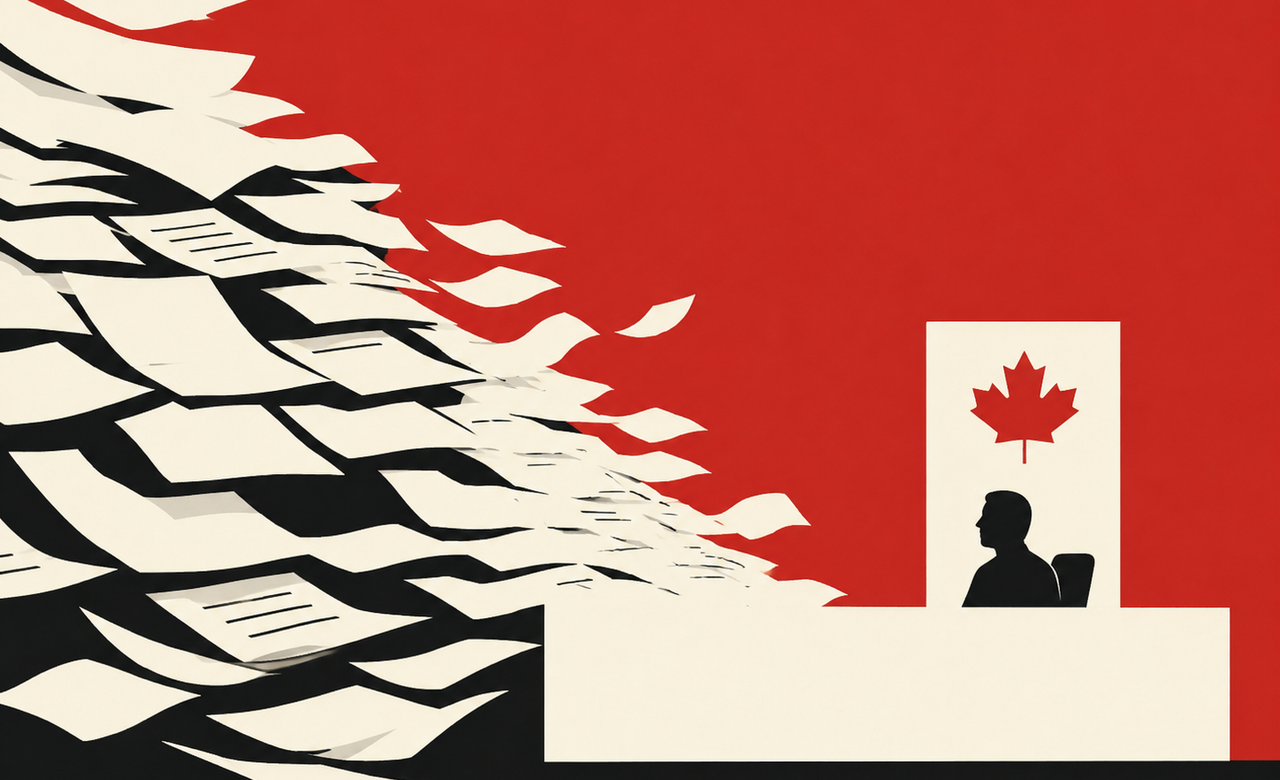
Source: Quillette
Quillette has published a remarkable piece from a man who once chaired Canada’s Human Rights Tribunal. His reflections on what he saw from the inside are the kind of insider account that rarely makes it into the public conversation. What emerges is a picture of a system that started with good intentions and gradually drifted into something else entirely: a mechanism for punishing speech, settling scores, and enforcing ideological conformity under the banner of human rights.
He describes how the tribunal process often lacked the rigorous standards of evidence and due process that courts demand. Complaints could be launched with minimal scrutiny, hearings could drag on, and the outcomes frequently turned on subjective interpretations of what constituted discrimination or harm. The system, he suggests, became a tool that incentivized complaints and discouraged robust public debate on contentious issues. Once a complaint was filed, the process itself could be punishing even if the case ultimately failed.
This matches what many observers have noted for years. Human rights tribunals have been used to target journalists, professors, activists, and ordinary citizens for expressing opinions that fall outside the approved range. The cost, both financial and reputational, has chilled speech far beyond the narrow cases the tribunals were originally designed to handle. When the process becomes the punishment, the right to free expression is quietly eroded.
Canada needs honest reflection on how these institutions actually function in practice. The former chair’s willingness to speak plainly about the problems he witnessed is refreshing. It should prompt a wider conversation about whether the current model of human rights enforcement is serving justice or suppressing it. Protecting people from real discrimination is important, but turning every disagreement into a potential human rights violation is a different matter altogether.
True North has been part of that conversation from early on because we believe free speech and open debate are essential to a healthy society. When tribunals and commissions start acting as speech police, the losers are not just the individuals targeted — it is the quality of public discourse and the trust in our institutions. The former chair’s account is a valuable contribution to understanding how we got here. Reading it should leave Canadians asking harder questions about the balance between rights and responsibilities, and between protection and freedom.