Canada has some of the tightest political fundraising rules in the democratic world. Individual donation limits are low, corporate and union donations to parties are banned, and every contribution over $200 is published. As Ken Coates argues for the Macdonald-Laurier Institute, those rules may make Canadians complacent about a much larger channel of influence. Foreign money flows into charities and advocacy groups that campaign on Canadian policy, and almost none of it has to be disclosed.
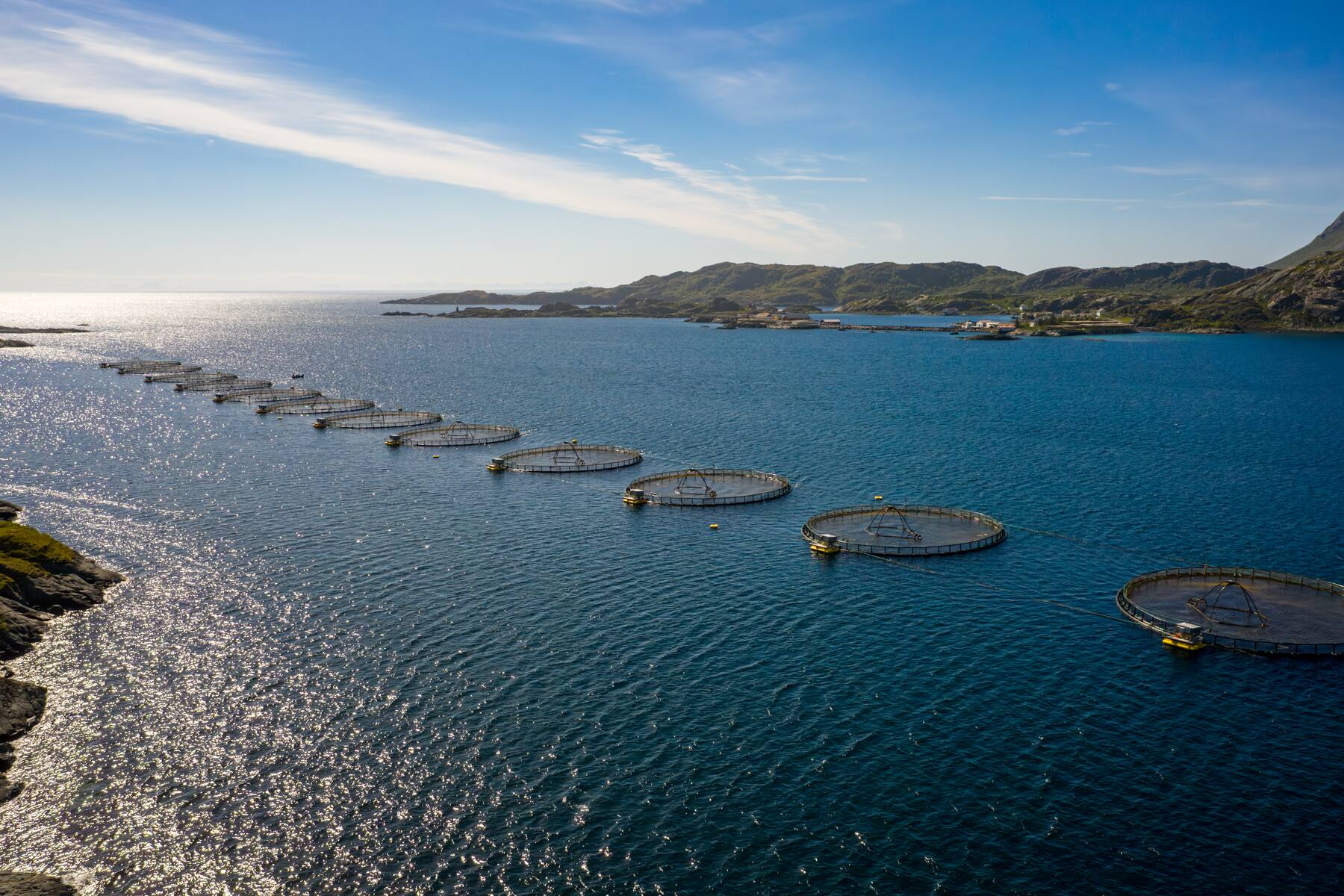
His main example is salmon farming. A study by a Scottish fisheries consultant estimates that more than $1.2 billion was spent worldwide between 2019 and 2025 campaigning against salmon farms, much of it untraceable. About a fifth of that, mostly American in origin, was spent in Canada. That works out to roughly $35 million a year aimed at one Canadian industry. For comparison, the Liberal Party of Canada raised a record $29 million in all of 2025. The same pattern, Coates notes, has played out in campaigns against the East Coast seal hunt, genetically modified crops and livestock farming. A small, well-funded campaign can generate enough petitions, emails and phone calls to make an issue look like a top concern for thousands of voters.
Albertans have seen this play out before. The provincial inquiry led by Steve Allan, which reported in 2021, found that roughly $1.28 billion in foreign money flowed to Canadian environmental causes between 2003 and 2019, with tens of millions designated for campaigns against Alberta’s oil and gas industry. It also found no wrongdoing by anyone involved. That is exactly the problem Coates describes. Canada polices foreign money in elections closely, but money aimed at shaping the policy debates that decide elections and cabinet decisions is barely tracked.
Coates is careful about where to draw the line. Ideas cross borders, and many of the most important movements in Canadian history drew on international support. Nobody objects to a foreign foundation funding research on climate change in the Saskatchewan River delta. A foreign donor paying an Ottawa lobby firm to pressure cabinet is a different matter. Concern should not be limited to hostile states like Russia, China and Qatar either. Canadians would want to know if an American advocacy group on any side of any issue was quietly backing candidates or campaigns here.
The fix does not require banning anything. It requires disclosure. Ottawa’s foreign influence registry, created in 2024, focuses on people acting on behalf of foreign states. It does not cover the much larger flow of foreign money to Canadian charities and advocacy groups. A simple rule would help: any group that spends significantly on lobbying or public policy campaigns should disclose its major foreign funders and what the money was for. Canadians can weigh an argument on its merits, but they should also know who is paying for it.